Energy-Efficient Pump Motors
The industries are redefining the management of power and performance by using energy efficient pump motors. These high-level motors are meant to transform the electricity into the highly efficient work with minimal losses, which assist in lowering the operational expenses to facilitate sustainability policies worldwide.

In industrial, commercial and municipal applications, the total energy consumption is attributed to pump systems. The old motors usually attempt to operate at full capacity whether they are needed or not, which wastes power as well as causing unwanted wear and tear. Energy efficient motors do this in a dynamically optimized fashion, that is, their performance is the same with much reduced power use.
To put it in plain terms, a pump motor that is energy efficient does not simply circulate the fluids but it gains industries a cleaner and more economical future.
The Principle Behind Energy Efficiency
The pump motor performance is determined by the efficiency with which the motor changes electrical input into hydraulic output. This is done by means of efficiency improvements which occur through:
- Less internal friction through superior materials and tolerances.
- Better magnetic design to reduce the amount of electrical losses.
- High-developed cooling and lubrication, to ensure uniform working.
- Smarter control equipment such as Variable Frequency Drives (VFDs)
These motors combine mechanical accuracy with smart control thus they save as much energy as they can without sacrificing power or reliability.
Why Energy Efficiency in Pump Motors Matters
Energy efficiency in the motors has been an essential part of contemporary engineering due to the development of energy efficient motors in the world to create sustainable development. Not only do they reduce electricity consumption, but also improve reliability, reduce the maintenance expenses and increase the lifespan of equipment.
Key Benefits:
- Minimized Power Consumption: The optimized design makes a substantial saving of energy.
- Reduced Operational Costs: Reduced power implies reduced electricity bills.
- Ensured Enhanced Reliability: Precision engineering reduces the vibration and wear.
- Long Service Life: component life is increased with long run operation of the cooler.
- Greenhouse gas emissions: Reduction in energy consumption will result in less greenhouse gas emission.
Industries That Benefit the Most
Pump motors that consume less energy are necessary in industries that need constant pumping.
Examples include:
- Wastewater treatment and water supply.
- HVAC and cooling systems.
- Processing facilities in the industries.
- The irrigation systems in agriculture.
- Pharmaceutical and chemical industries.
With efficient systems, these sectors have the benefit of improved control, simpler operation, cost reduction which can be measured.
How Energy-Efficient Pump Motors Work
1. Optimized Motor Design
The effectiveness of a pump motor starts with the design of the motor. Manufacturers work on the reduction of internal resistance and the enhancement of the electromagnetic conversion. This comprises of fine copper windings, machined rotors, and low loss laminations.
The outcome: increased power production and minimum heat generation.
2. Variable Frequency Drives (VFDs).
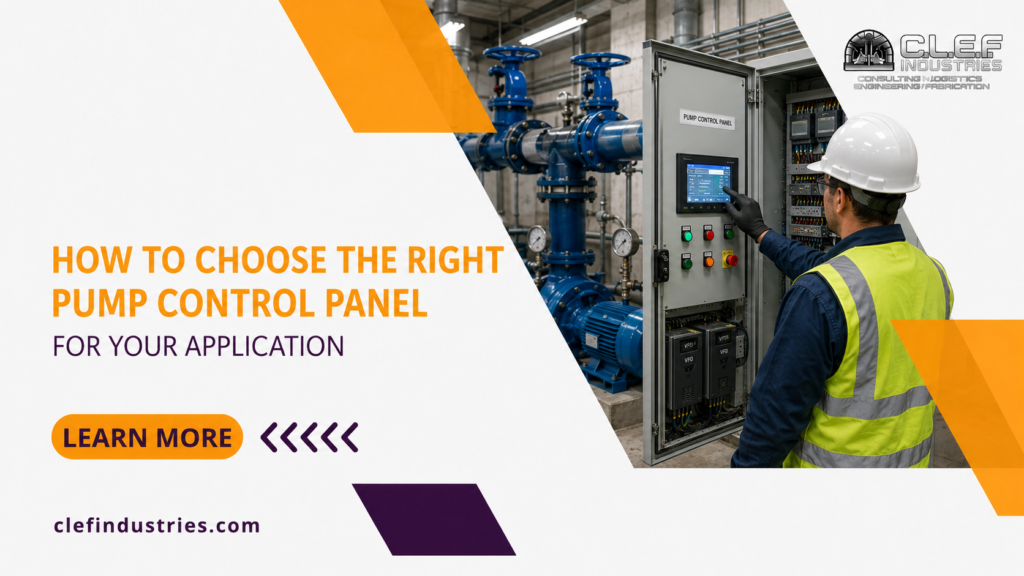
One of the greatest efficiency advances is a match of motors and VFDs. These smart appliances manage the rate of the motor depending on the demand of the system. The VFD slows the motor to a level of consumption saving excessive amounts of energy when full flow is not required.
This has benefits of VFD Integration:
- Adjusts the motor speed to the demand.
- Lessens the start-up surges.
- Stops over wearing and overheating.
- Maximizes stability and durability of the system.
3. Smart Controls and Automation
The contemporary systems are equipped with sensors that check the flow rate, pressure and motor loading in real-time. Continuous adjustments also mean that the motor never runs at full capacity, and it is never overworked and it is never underperforming.
4. Improved Impeller Design
The heart of any pump is the impeller that is significant in energy consumption. The progressive design of impellers minimises turbulence and frictional losses enhancing the fluid flow and ensuring optimal pressure with minimal effort.
Factors to Consider When Selecting an Energy-Efficient Pump Motor
Choosing the right motor requires a balance between power, performance, and application needs. Below are key parameters that influence energy efficiency.
| Factor | Description | Effect on Efficiency |
|---|---|---|
| Flow Rate | Volume of liquid moved per unit time | Incorrect sizing reduces efficiency |
| Total Head | Pressure the system requires to deliver flow | Determines power demand |
| System Curve | Resistance within pipes and fittings | Impacts motor load and power usage |
| Pump Curve | Relationship between flow rate and head | Helps identify Best Efficiency Point |
| Motor Rating (IE Class) | Efficiency level (IE1–IE4) | Higher class = higher energy savings |
Motor Efficiency Standards
The international efficiency classes of energy-efficient motors are specified by the international electrotechnical commission (IEC):
- IE1 – Standard Efficiency
- IE2 – High Efficiency
- IE3 – Premium Efficiency
- IE4 – Super Premium Efficiency
Although more efficient motors can be marginally more expensive at the outset, the energy ratio of the motors can be several times greater than the cost of the investment.
Most contemporary industries have found it convenient to use the IE3 or IE4 rated motors as the norm in balancing between performance and energy cost-effectiveness.
Improving the efficiency of Pump motors: Practical ideas.
1. Proper Sizing
Oversized motors operate at a load lower than optimal resulting to wastage of energy. Motors that are undersized overheat and wear out quicker. Right sizing means that it operates and performs to maximum efficiency.
2. Regular Maintenance
With motors that are not taken care of, efficiency is reduced. Regular services such as lubrication, alignment and bearing inspection also take care of the energy performance and lifespan.
3. Smart Monitoring
Install monitoring devices to monitor energy consumption, vibration and temperature. Mechanical and inefficiencies are detected at an early stage to avoid expensive downtimes.
4. System Optimization
It is equally important to upgrade the entire pump system (piping, valves and fittings) as it is to upgrade the motor itself. Limiting flow is also beneficial to keep the efficiency.
Other Benefits other than energy conservation
Pump motors which are energy efficient save on more than just electricity, they enhance the reliability and productivity of your whole operation.
Operational Benefits:
- Constant flow and pressure.
- Reduced rate of maintenance.
- Reduced downtime
- Quick start-up and shut down periods.
Economic Benefits:
- Lower lifecycle cost
- Reduced payback period (2-1 year)
- Reduced need for spare parts
- Better return on investment
Environmental Benefits:
- Lower carbon footprint
- Reduced thermal pollution
- Approves green certifications (LEED, ISO 50001)
Recent Advances in efficiency of Energy saving Pump motors
- Permanent Magnet Synchronous Motors (PMSMs)
These new generation motors incorporate permanent magnets instead of the old fashioned induction coils and therefore are more efficient and can be controlled to an accurate speed even at varying loads.
2. Integration with IoT Systems
Operators are now able to remotely monitor performance, predict maintenance requirements, and optimize operation to conserve energy due to the use of smart sensors and cloud-based analytics.
3. Digital Twin Technology
Even some of the sophisticated industries take the simulation of the energy performance using the utilization of digital simulation of pump system before making real-world modification, thus saving time and resources.
4. Energy compatibility with Renewable energy
Energy saving motors today can be incorporated effectively with the solar and wind energy to permit hybrid functioning of the power systems.
Conclusion
The introduction of energy saving pump motors is a progressive way of solving the cost and environmental issues in the industries. They are a mixture of engineering precision, intelligent control and sustainable design to lead to optimal performance at the least possible wastage.
When these motors are adopted it is investing in a future where efficiency and productivity are hand in hand. In water, manufacturing, or irrigation, it is energy-efficient technology that is the key to a smarter, cleaner and more responsible operation.